Thorough Truck Sanitation, Preventative Maintenance, and Repair Options: Your One-Stop Solution
A thorough truck cleaning, routine maintenance, and repair solutions are vital for fleet operators aiming to prolong vehicle life and enhance performance. These combined solutions not only enhance appearance but also prevent costly repairs through early detection of technical problems. By optimizing workflows, they address typical issues encountered by fleets. As the industry evolves, comprehending these services becomes increasingly important. What elements should fleet managers think about when selecting the right approach for their needs?
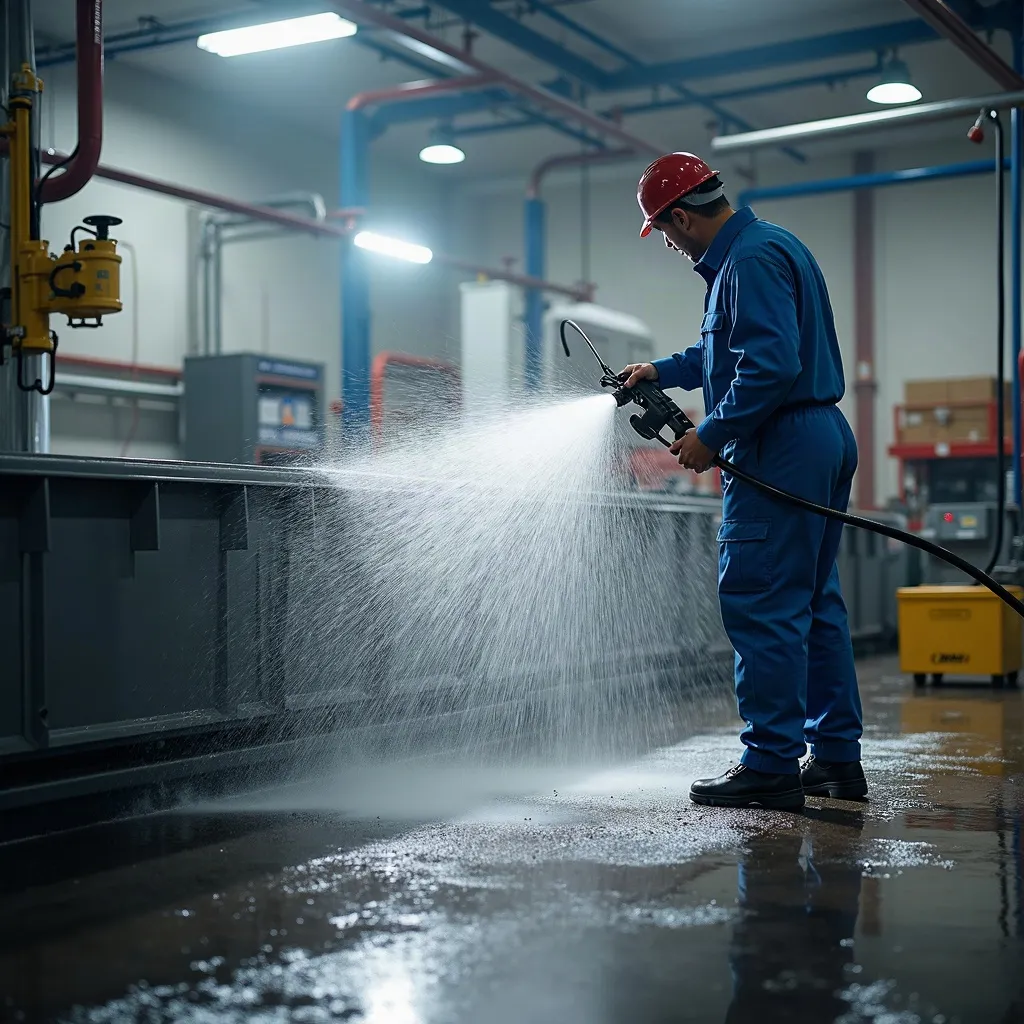
The Necessity of Complete Truck Washing
A comprehensive vehicle cleaning plays an essential role in preserving the longevity and performance of business trucks. Consistent washing helps remove dust, buildup, and harmful materials that can accumulate over time, which may cause corrosion and damage. A clean truck not only enhances its aesthetic appeal but also contributes to improved sight lines and protection for drivers.
Furthermore, extensive cleaning aids in the discovery of potential mechanical issues, such as leaks or damage, that may be hidden by filth. This preventative approach can prevent more critical issues down the line.
Furthermore, maintaining a clean fleet can strengthen a company's professional image, fostering trust and reliability among clients. Overall, scheduled truck washing is a fundamental component of vehicle upkeep, ensuring that commercial fleets operate efficiently and effectively while reducing long-term repair costs.
How Routine Upkeep Improves Vehicle Life
Planned maintenance is indispensable for boosting the lifespan of a vehicle fleet. By following a regular service plan, fleet leaders can recognize potential issues before they escalate into expensive maintenance. This preventive approach not only guarantees that vehicles remain operational but also strengthens safety for drivers and other motorists. Regular maintenance, such as oil services, tire care, and brake reviews, contribute to optimal output and fuel consumption, consequently decreasing expenditure costs.
Moreover, properly serviced vehicles are less likely to encounter unexpected breakdowns, which can interrupt schedules and result in lost revenue. Additionally, routine maintenance can maintain vehicle value, making it easier to resell or trade in fleet assets. In a competitive industry where reliability is paramount, committing to routine maintenance builds trust with clients and improves overall business reputation. Consequently, effective maintenance practices are essential for guaranteeing fleet longevity and operational success.
Key Preventive Care Functions for Fleets
Maintaining a fleet calls for a structured approach to different jobs that ensure vehicles run smoothly and safely. Necessary maintenance tasks include frequent checks, oil changes, and brake inspections, which confirm that each vehicle is kept in peak condition. Tire maintenance, encompassing rotation and pressure checks, is important for both safety and fuel economy. In addition, fluid levels—such as coolant, transmission fluid, and brake fluid—must be checked and replenished as needed.
Scheduled cleaning and washing help maintain the vehicles' exteriors and prevent rust and corrosion. Keeping accurate records of maintenance activities facilitates tracking performance and identifying potential issues before they escalate. Moreover, promptly addressing minor repairs can reduce costly downtime and extend the fleet's lifespan. By complying with these vital maintenance tasks, fleet managers can enhance overall efficiency, minimize operational costs, and ensure compliance with safety regulations.
How a One-Stop Vehicle Maintenance Service Solves Typical Fleet Problems
A detailed complete truck care program successfully tackles many frequent difficulties experienced by fleet providers. By merging various solutions, including cleaning, maintenance, and repairs, vehicle managers can streamline operations and reduce downtime. This fusion streamlines scheduling and logistics, making possible more efficient fleet management.
Additionally, a single unified platform improves dialogue among different service providers, reducing the likelihood of miscommunication or oversight. Fleet operators gain advantages from uniform service standards, as technicians become familiar with specific vehicles and their distinct requirements.
In addition, establishing a centralized location for all truck maintenance needs eliminates the difficulty of managing multiple vendors, as a result saving resources and effort. By handling these operational challenges, a unified truck maintenance service empowers fleet operators to concentrate on their key business pursuits while ensuring their vehicles stay properly maintained and in compliance with industry standards.
How Ongoing Servicing and Washing Cut Your Budget
Regular upkeep and cleaning of trucks can significantly decrease long-term costs for fleet management organizations. By eliminating costly repairs, improving fuel efficiency, and extending the lifespan of vehicles, these options provide substantial financial advantages. Dedicating to routine care not only protects assets but also advances overall operational efficiency.
Reduce Steep Service Charges
Putting resources into truck washing and maintenance can greatly reduce the risk of costly repairs down the line. Regular washing removes grime, salt, and debris that can cause corrosion and damage to critical components. Maintenance routines, such as oil changes and inspections, help detect potential issues before they develop into major problems. This proactive approach not only prolongs the lifespan of the vehicle but also boosts overall safety on the road. Additionally, well-maintained trucks are less likely to experience breakdowns, minimizing downtime and associated repair costs. By keeping trucks clean and in ideal condition, operators can considerably reduce the likelihood of unexpected expenses, thereby ensuring a more efficient and profitable operation.
Optimize Petrol Efficiency
Maintaining a spotless and well-maintained truck greatly improves fuel efficiency, ultimately benefiting operators financially. Regular washing removes dirt and grime that can cause drag, promoting smoother airflow and enhanced aerodynamics. Additionally, routine maintenance, including checking tire pressure and ensuring peak engine performance, is essential for fuel economy. Engines that are well-maintained operate more efficiently, using less fuel during use. Furthermore, promptly addressing minor issues prevents costly repairs down the line, thus protecting the bottom line. Operators who dedicate time to keeping their trucks clean and regularly serviced can expect a marked reduction in fuel expenses, which contributes to overall operational efficiency and profitability. Regular maintenance and washing are fundamental strategies for maximizing fuel efficiency.
Enhance Automobile Durability
A well-maintained truck not only enhances fuel efficiency but also significantly extends its overall lifespan. Regular washing eliminates harmful contaminants such as dirt, salt, and grime that can damage surfaces and components. This preventative measure protects the truck’s paint and undercarriage, markedly reducing the risk of rust and structural damage. Additionally, routine maintenance, including oil changes and brake inspections, guarantees that all systems run efficiently, preventing costly breakdowns. Regular checks allow for timely identification of potential issues, allowing for timely repairs before they escalate. By investing in consistent washing and maintenance, truck owners can extend the lifespan of their vehicles and reduce repair costs, ultimately resulting in significant savings over time. Prioritizing vehicle care is a smart strategy for any owner.
Finding the Optimal Choice for Your Truck Service
In what manner can you discover the best partner for vehicle maintenance in a filled market overflowing with choices? Choosing the fitting vendor requires multiple critical points. First, reputation stands supreme; potential partners should display positive reviews and accolades from pleased customers. Next, competence in numerous services—such as cleaning, maintenance, and fixes—ensures complete aid for every vehicle need.
Additionally, evaluating certifications and industry affiliations can prove the provider's commitment to quality and safety standards. Accessibility and convenience also play a role; a partner with multiple locations or mobile services can greatly streamline operational efficiency.
In conclusion, openness regarding pricing and service offerings prevents unexpected costs, facilitating improved cost control. By prioritizing these criteria, fleet managers can select a dependable partner that boosts vehicle longevity and performance, ultimately leading to better operational efficiency.
Trends Driving the Tomorrow of Truck Maintenance
Progress in technology are transforming truck maintenance, setting new standards for effectiveness and efficiency. The introduction of anticipatory service, powered by sophisticated data analysis and IoT sensors, enables fleet managers to track vehicle conditions in real time. This proactive approach minimizes downtime by tackling issues before they develop into expensive maintenance.
Additionally, automated technology is becoming more prevalent in maintenance practices. Robotic systems and AI-driven diagnostics simplify routine tasks, allowing technicians to focus on more complex repairs. In addition, the rise of electric and hybrid trucks necessitates new maintenance protocols, emphasizing the importance of targeted training for technicians to handle distinctive systems.
Sustainability is additionally shaping the future, with environmentally conscious cleaning solutions and methods gaining traction. In summary, these developments indicate a movement towards more intelligent, increasingly efficient maintenance approaches for trucks that not just enhance operational performance but also support ecological obligations.
Often Asked Questions
How often Should I wash My Truck?
Trucks ought preferably be washed every two weeks to keep their appearance and shield the paint. However, more regular relevant resource cleaning may be necessary in harsh conditions or following contact to dirt, salt, or chemicals.
What Kinds of Items Are Used in Truck Cleaning?
Diverse materials are deployed in truck maintenance, including biodegradable detergents, degreasers, waxes, and advanced wheel solutions. These materials completely eliminate dirt, grime, and road salt, refining the vehicle's presentation and protecting its surface from degradation.
Will Truck Cleaning Avoid Rust and Corrosion?
Washing trucks can successfully stop rust and corrosion by eliminating particles that cause oxidation. Frequent washing helps maintain the truck's exterior, shielding it against environmental factors and extending its lifespan through minimized decay.
What Are the Signals My Truck Needs Emergency Service?
Signs of immediate repair requirements comprise odd sounds, warning lights on the dashboard, oil seepage, decreased performance, and shaking while driving. Responding to these signs immediately can prevent further deterioration and assure safe operation.
Do I need to Organize Maintenance During Busy Times?
Planning servicing during busy seasons is vital. Regular maintenance ensures optimal performance and safety. Overlooking upkeep can cause sudden breakdowns, which may interrupt operations and increase expenses in the long run. Emphasizing maintenance is prudent.